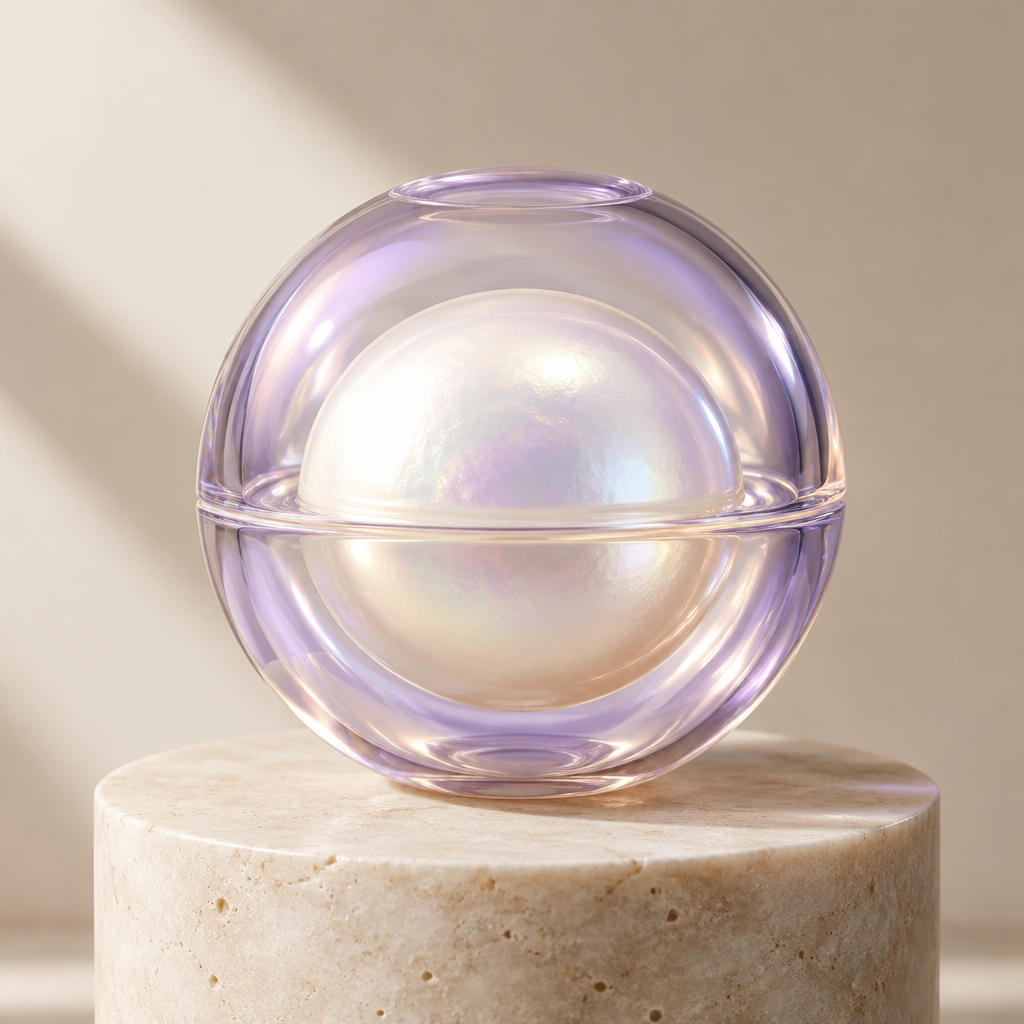
Nucleus
Plant & Animal Cells
The hereditary archive — a double-membraned vault where the cell's genetic blueprint is stored, copied and read.
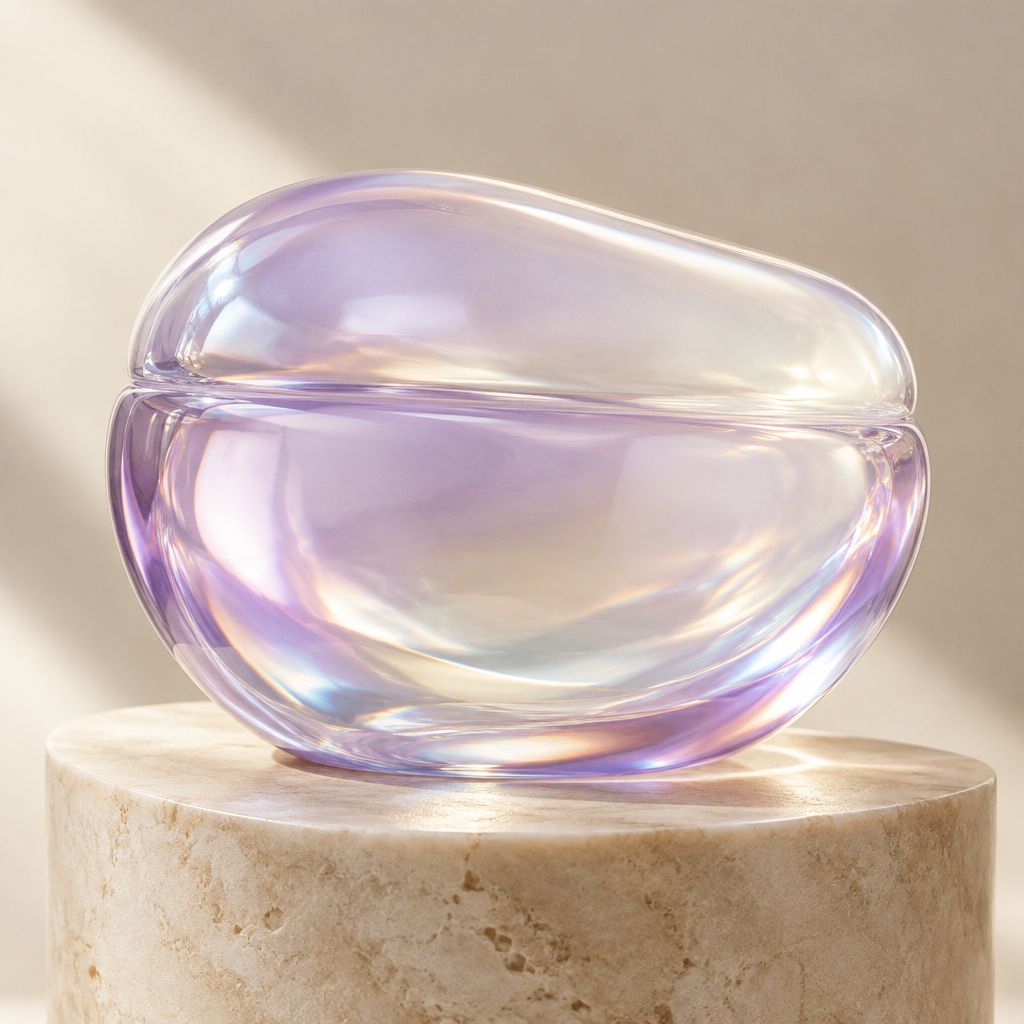
Plant Cells (large central) & other eukaryotes
A reservoir of balance.
A fluid-filled chamber that stores, supports and steadies the cell from within.
A note
The campaign imagery is a fictional luxury concept. Toggle to Scientific X-Ray for the labelled biological illustration.
Large, fluid-filled organelle surrounded by a single membrane called the tonoplast. Contains cell sap, an aqueous solution of dissolved ions, sugars, organic acids, pigments and other substances. In mature plant cells, the central vacuole may occupy most of the cell's internal volume.
Stores water, dissolved nutrients, ions, pigments and waste products. Regulates osmotic balance and maintains turgor pressure as water enters the vacuole through osmosis, causing its contents to exert pressure against the cell wall. Some vacuoles also contain enzymes involved in intracellular digestion.
Plant cells, particularly mature plant cells. Smaller vacuoles may occur in animal cells and other eukaryotes.
The central vacuole maintains turgor pressure, providing mechanical support and preventing plant tissues from wilting. It also provides a compartment for storing useful substances and isolating potentially harmful waste products from the cytoplasm.
Transport proteins in the tonoplast control solute accumulation. Water enters by osmosis to help build pressure against cell wall.
Plant & Animal Cells
The hereditary archive — a double-membraned vault where the cell's genetic blueprint is stored, copied and read.

Plant & Animal Cells
A folded membrane workshop studded with ribosomes — the first address for proteins destined for secretion or the cell's membranes.

Plant & Animal Cells
A tubular membrane studio devoted to lipids, steroids and detoxification — no ribosomes in sight.