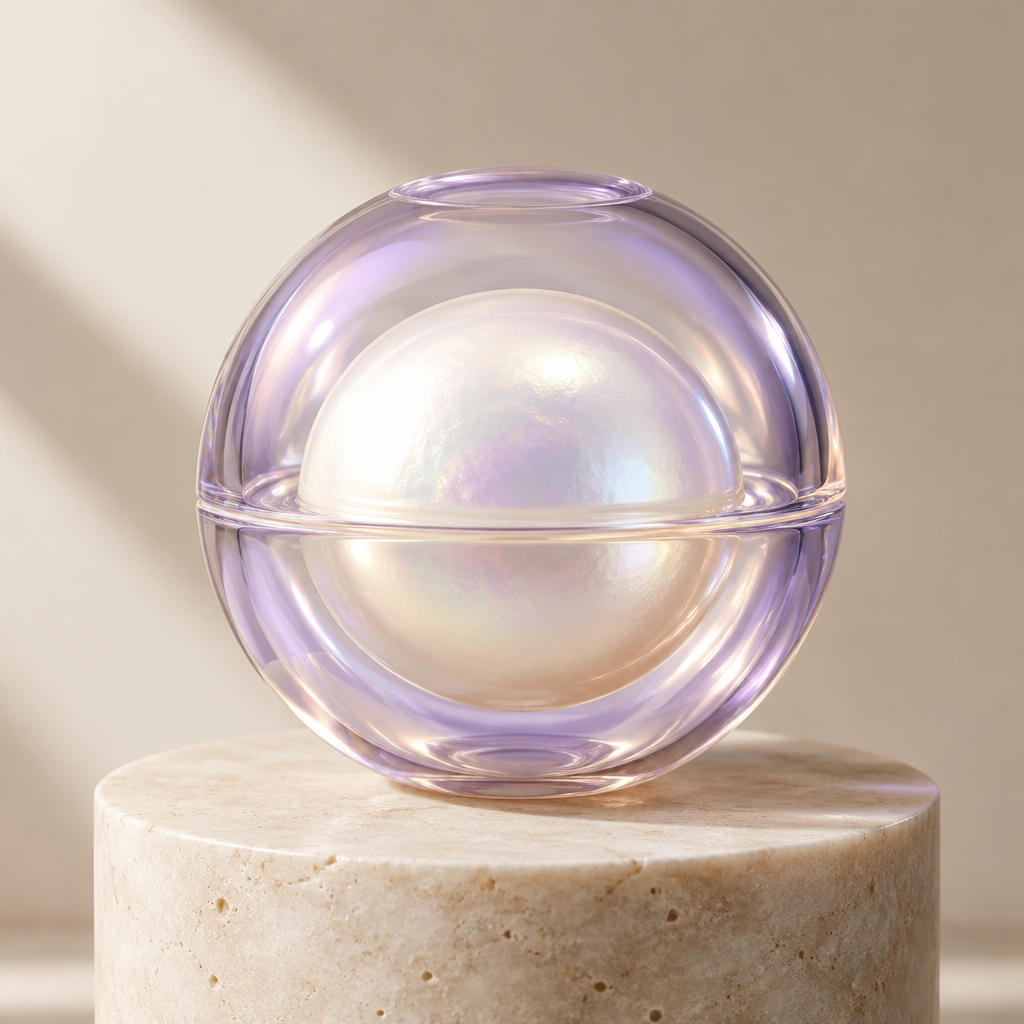
Nucleus
Plant & Animal Cells
The hereditary archive — a double-membraned vault where the cell's genetic blueprint is stored, copied and read.
Plant & Animal Cells
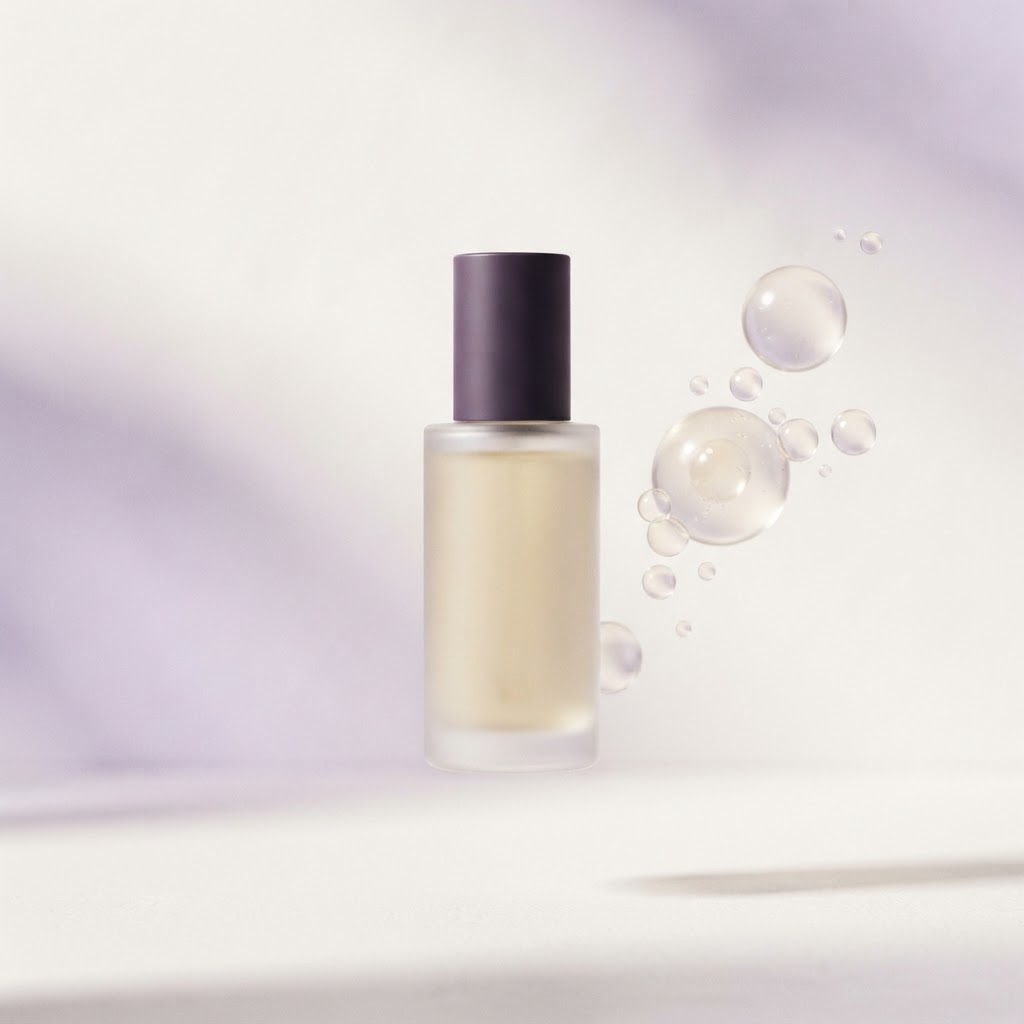
The clean burn.
A sealed detoxification chamber where dangerous oxidants are made and neutralised in the same breath.
A note
The campaign imagery is a fictional luxury concept. Toggle to Scientific X-Ray for the labelled biological illustration.
Small, approximately spherical organelle surrounded by a single phospholipid bilayer. Contains oxidative enzymes, including oxidases and catalase, that carry out oxidation reactions. Unlike mitochondria and chloroplasts, peroxisomes do not contain their own DNA or ribosomes.
Breaks down certain fatty acids through oxidation and participates in the detoxification of harmful compounds. Some oxidative reactions produce hydrogen peroxide (H₂O₂), which is subsequently broken down into water and oxygen by catalase.
Both plant and animal cells, as well as many other eukaryotic cells.
Peroxisomes allow potentially harmful oxidation reactions to occur within a separate compartment, protecting other cellular components from damage. They are important for lipid metabolism and the removal of toxic metabolic by-products.
Enzymes that produce hydrogen peroxide are compartmentalised with catalase (which breaks it down) to protect other cellular components.
Plant & Animal Cells
The hereditary archive — a double-membraned vault where the cell's genetic blueprint is stored, copied and read.
Plant & Animal Cells
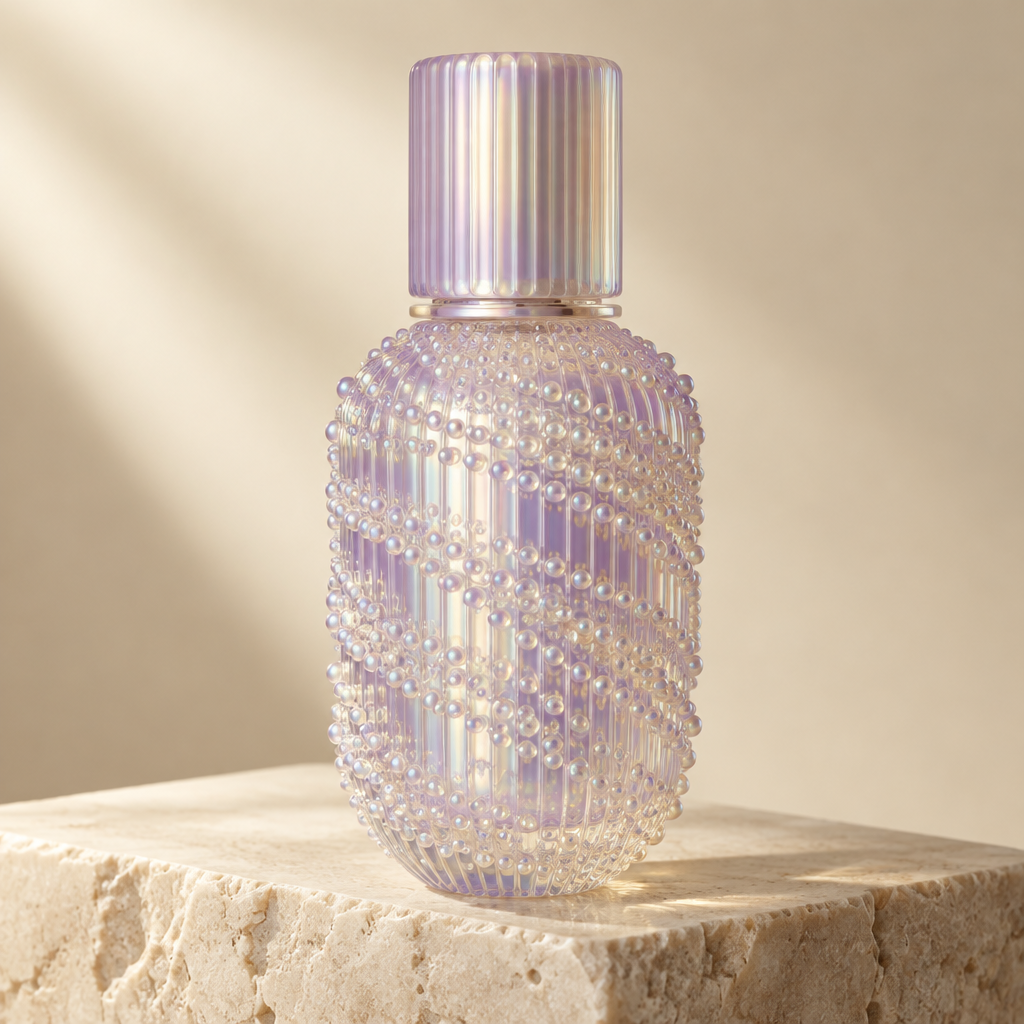
A folded membrane workshop studded with ribosomes — the first address for proteins destined for secretion or the cell's membranes.
Plant & Animal Cells
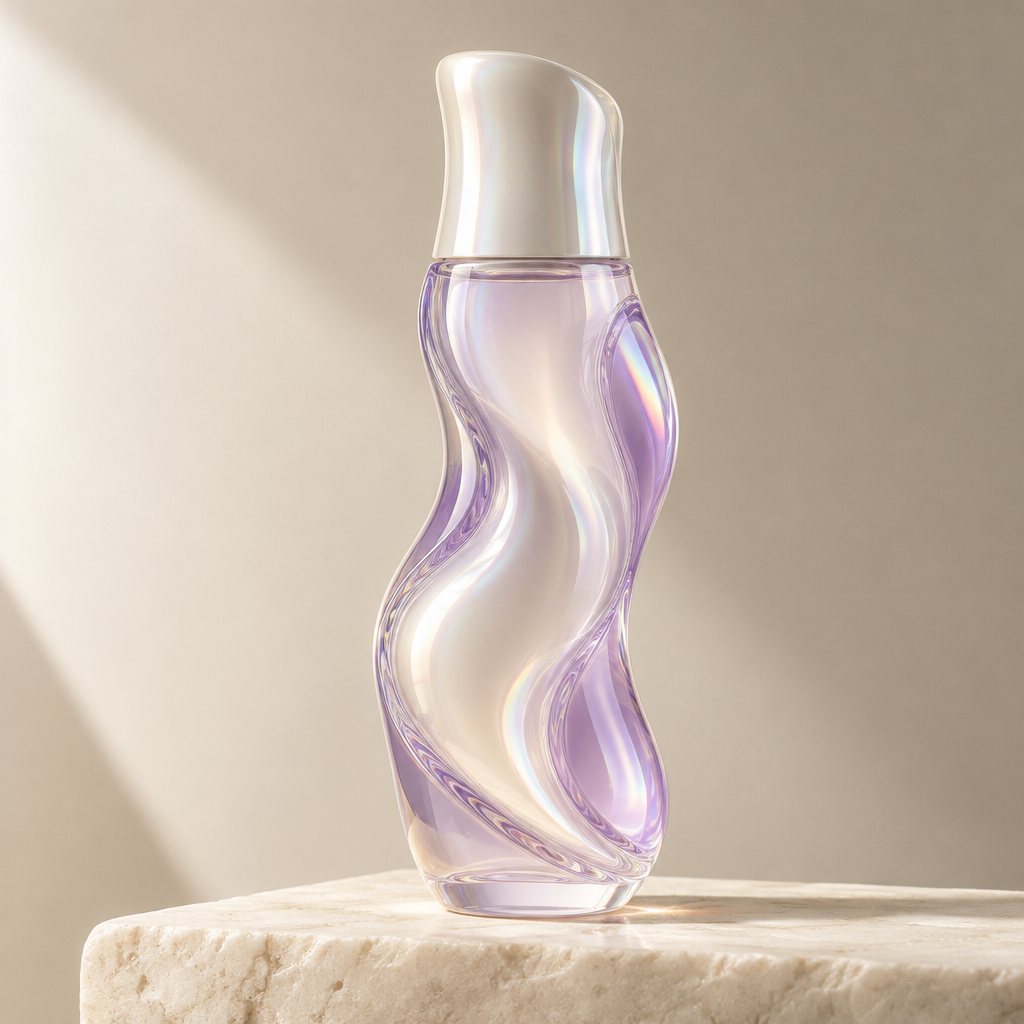
A tubular membrane studio devoted to lipids, steroids and detoxification — no ribosomes in sight.