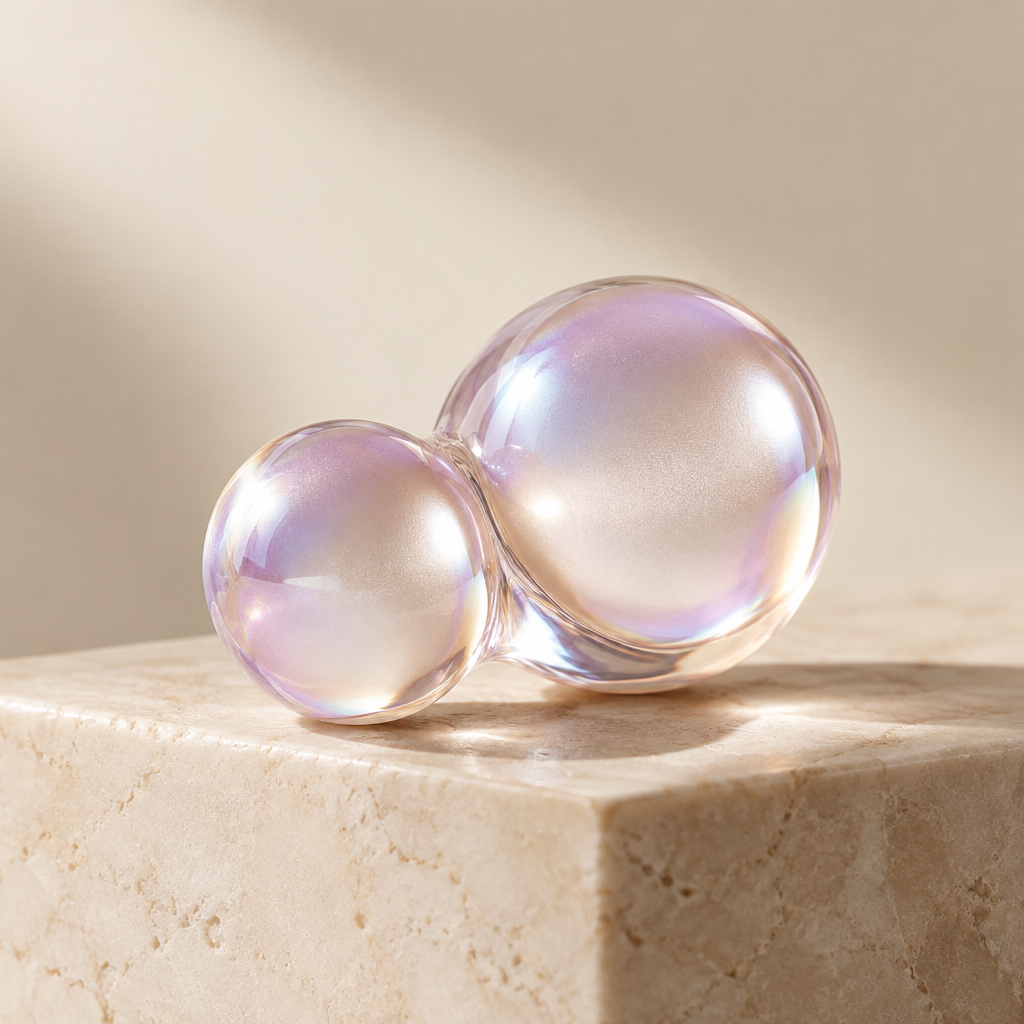
Free Ribosome
All Cells (80S eukaryotic; 70S prokaryotic)
A floating particle of RNA and protein that reads genetic messages and assembles the cell's proteins.
Prokaryotic Cells
The accessory genome.
A small circular DNA extra — the bonus traits a prokaryote can share or shed.
A note
The campaign imagery is a fictional luxury concept. Toggle to Scientific X-Ray for the labelled biological illustration.
Small, usually circular, double-stranded DNA molecule located outside the main bacterial chromosome. Plasmids are not enclosed by a membrane and contain their own origins of replication, allowing them to replicate independently of chromosomal DNA. They typically carry a relatively small number of genes.
Carries additional genetic information that may provide advantageous characteristics, such as antibiotic resistance or the ability to metabolise particular substances. Some plasmids can be transferred between bacterial cells through processes such as conjugation.
Many bacterial species, some archaea and certain eukaryotic organisms, such as yeast.
Plasmids can provide additional genetic characteristics that improve bacterial survival under particular environmental conditions. Their transfer between cells contributes to horizontal gene transfer and genetic variation within bacterial populations.
It has its own replication origin so it can be copied separately from chromosome using cellular machinery. Some plasmids can also move between cells.
All Cells (80S eukaryotic; 70S prokaryotic)
A floating particle of RNA and protein that reads genetic messages and assembles the cell's proteins.
Plant & Animal Cells
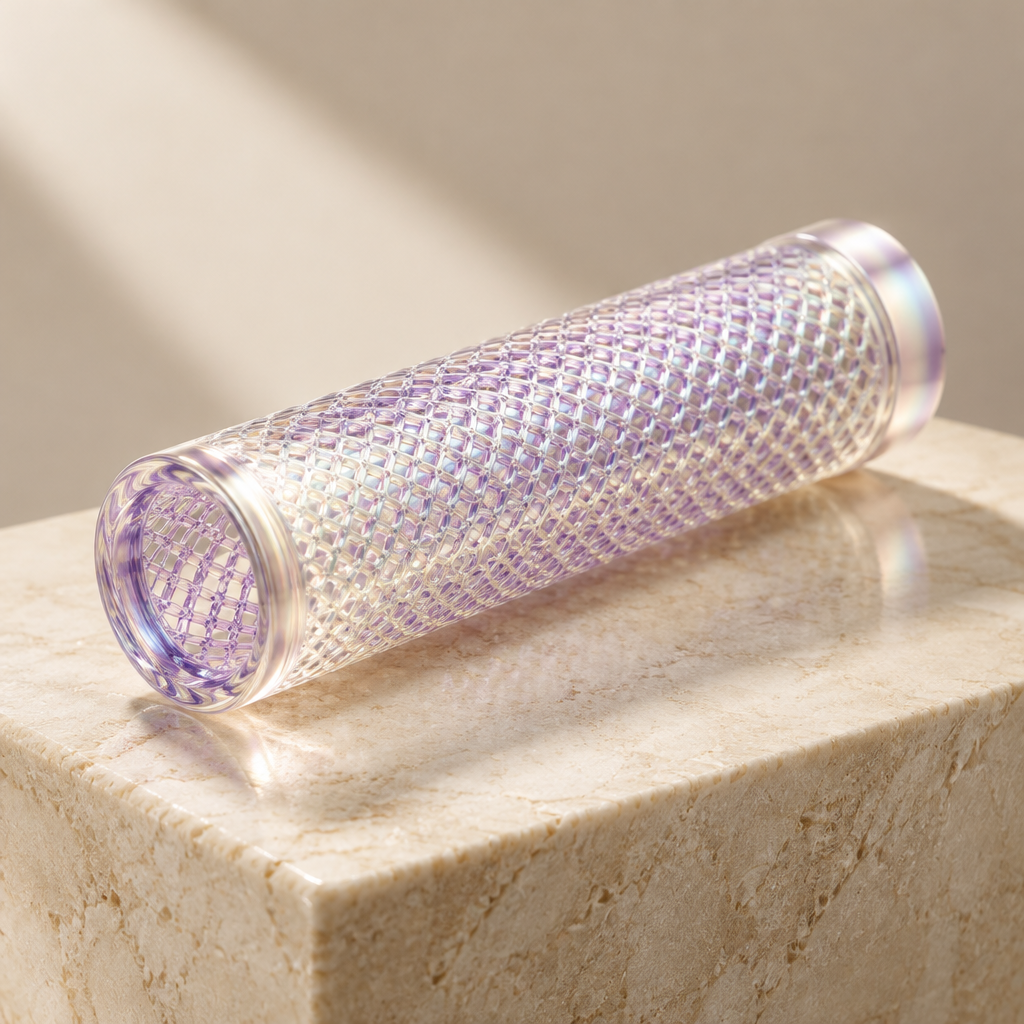
A hollow tube of tubulin — a structural track for transport and the scaffold of movement.

Animal Cells (absent in most higher plants)
A precise cylinder of microtubule triplets — the organiser of the cell's internal geometry.