
Free Ribosome
All Cells (80S eukaryotic; 70S prokaryotic)
A floating particle of RNA and protein that reads genetic messages and assembles the cell's proteins.

Certain Prokaryotic Cells
The bridge.
A thin protein filament for attachment, movement — and trading genes between cells.
A note
The campaign imagery is a fictional luxury concept. Toggle to Scientific X-Ray for the labelled biological illustration.
Thin, filamentous protein appendage extending from the surface of certain bacterial cells. Pili are commonly composed of repeating protein subunits called pilins. Compared with fimbriae, pili are often longer and less numerous, although the terminology overlaps and the precise structure depends on the type of pilus.
Different types of pili perform different functions. Conjugative pili participate in establishing contact between bacterial cells during conjugation, allowing genetic material to be transferred. Type IV pili can facilitate surface attachment and a form of movement called twitching motility through repeated extension and retraction.
Certain bacterial species. Related surface appendages also occur in archaea.
Pili can enable bacterial cells to attach to surfaces, move across solid substrates or exchange genetic material. Conjugative pili contribute to horizontal gene transfer, allowing advantageous genes, such as those associated with antibiotic resistance, to spread between bacterial cells.
The extended filament reaches the recipient cells. In systems such as F pilus retraction can bring cells together for DNA transfer through conjugation machinery.
All Cells (80S eukaryotic; 70S prokaryotic)
A floating particle of RNA and protein that reads genetic messages and assembles the cell's proteins.
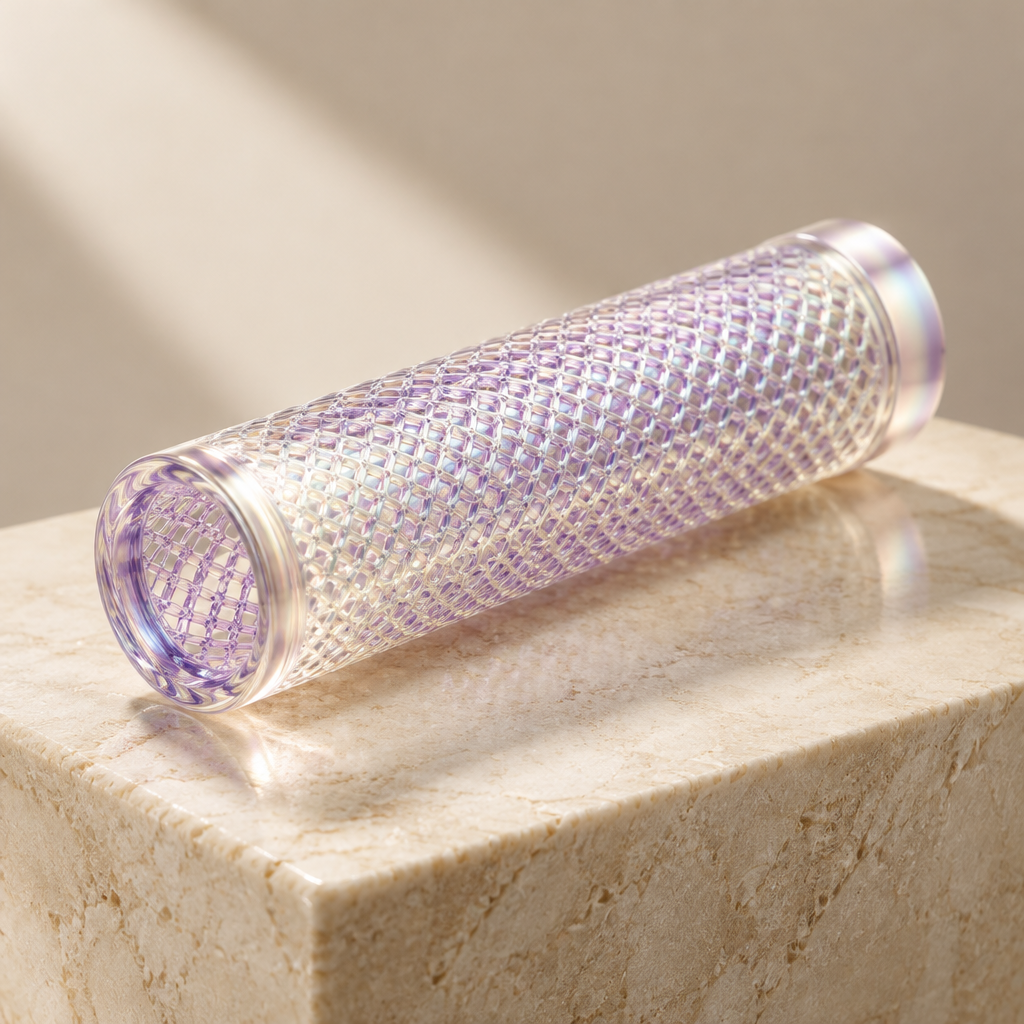
Plant & Animal Cells
A hollow tube of tubulin — a structural track for transport and the scaffold of movement.

Animal Cells (absent in most higher plants)
A precise cylinder of microtubule triplets — the organiser of the cell's internal geometry.