
Free Ribosome
All Cells (80S eukaryotic; 70S prokaryotic)
A floating particle of RNA and protein that reads genetic messages and assembles the cell's proteins.

Prokaryotic Cells
The ancestral archive.
The prokaryote's naked, membrane-less genetic centre — the forerunner of the nucleus.
A note
The campaign imagery is a fictional luxury concept. Toggle to Scientific X-Ray for the labelled biological illustration.
Irregularly shaped region of the cytoplasm in prokaryotic cells containing the main chromosomal DNA. Unlike a eukaryotic nucleus, the nucleoid is not surrounded by a nuclear envelope. The DNA is typically double-stranded and circular in bacteria, although exceptions occur, and is compacted and organised by DNA-associated proteins.
Contains the genetic information that controls cellular activities and determines inherited characteristics. DNA replication and transcription occur within or in association with the nucleoid region.
Prokaryotic cells, including bacteria and archaea. Not present as a nucleoid in eukaryotic cells.
The nucleoid stores the genetic instructions necessary for protein synthesis, metabolism, growth and reproduction. Its DNA can be replicated before cell division so that genetic information can be passed to daughter cells.
DNA compaction fits a large chromosome into a small cell yet still allows replication and transcription access.
All Cells (80S eukaryotic; 70S prokaryotic)
A floating particle of RNA and protein that reads genetic messages and assembles the cell's proteins.
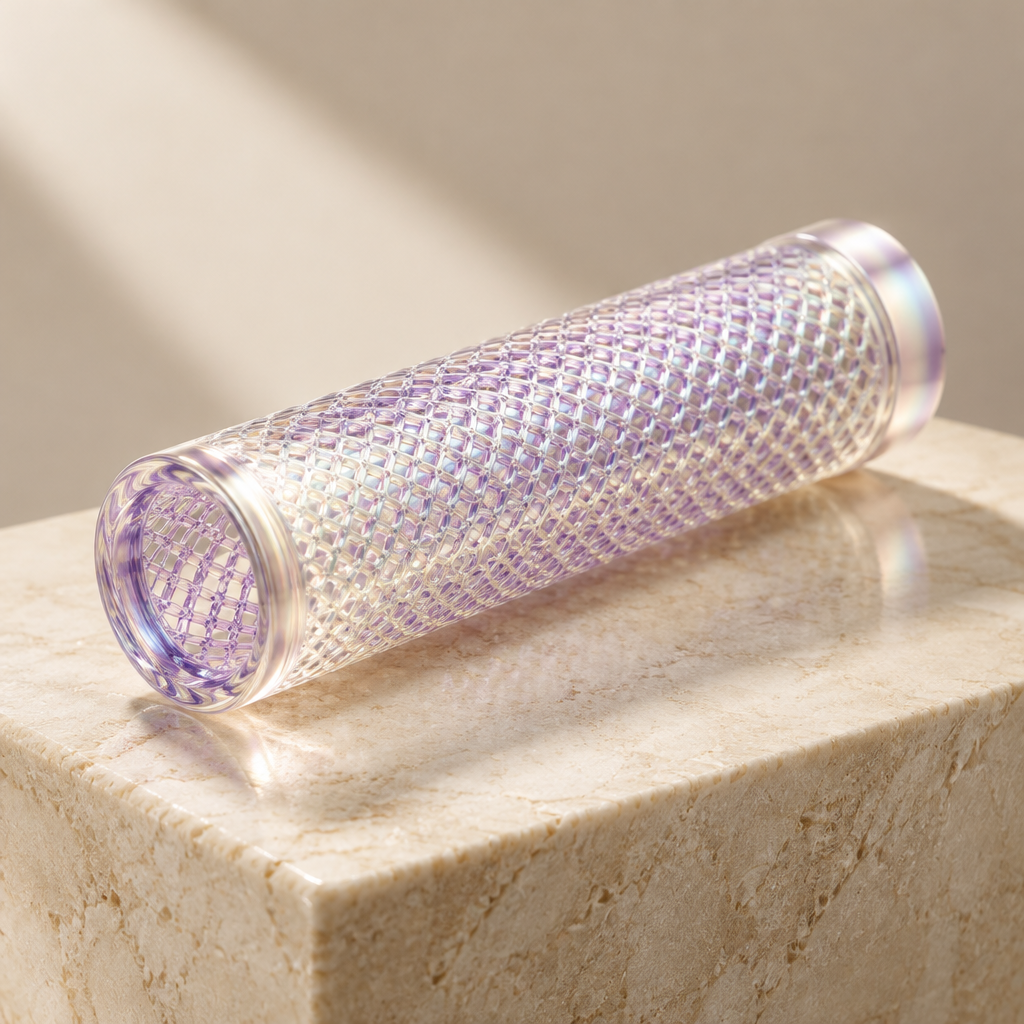
Plant & Animal Cells
A hollow tube of tubulin — a structural track for transport and the scaffold of movement.

Animal Cells (absent in most higher plants)
A precise cylinder of microtubule triplets — the organiser of the cell's internal geometry.