
Free Ribosome
All Cells (80S eukaryotic; 70S prokaryotic)
A floating particle of RNA and protein that reads genetic messages and assembles the cell's proteins.

Certain Prokaryotic Cells
Hold fast.
Numerous short hairs that let a bacterium grip where fluid would wash it away.
A note
The campaign imagery is a fictional luxury concept. Toggle to Scientific X-Ray for the labelled biological illustration.
Numerous short, thin, hair-like protein appendages extending from the surface of certain bacterial cells. Fimbriae are generally composed of repeating protein subunits and are commonly shorter and more abundant than the structures conventionally described as pili.
Facilitate attachment of bacterial cells to surfaces, host tissues and other cells. They can also contribute to bacterial colonisation and biofilm formation by maintaining contact between the bacterium and its surrounding environment.
Certain bacterial species, particularly many Gram-negative bacteria.
Fimbriae allow bacterial cells to adhere to surfaces rather than being easily displaced by surrounding fluids. This is important for establishing bacterial populations and forming biofilms. In pathogenic bacteria, attachment to host tissues can be an important early stage of infection.
Many projecting fibres have multiple attachment sites; adhesive proteins bind to surfaces or receptors.
All Cells (80S eukaryotic; 70S prokaryotic)
A floating particle of RNA and protein that reads genetic messages and assembles the cell's proteins.
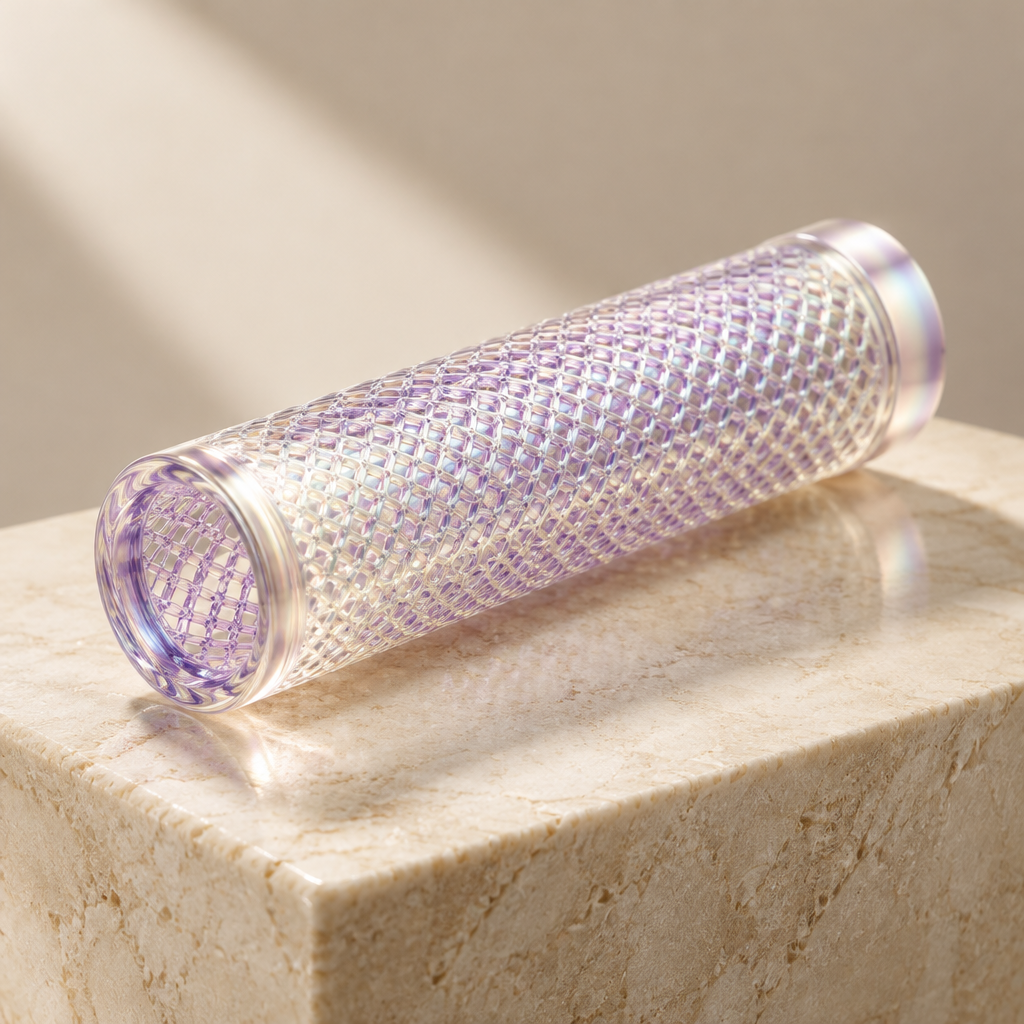
Plant & Animal Cells
A hollow tube of tubulin — a structural track for transport and the scaffold of movement.

Animal Cells (absent in most higher plants)
A precise cylinder of microtubule triplets — the organiser of the cell's internal geometry.