
Free Ribosome
All Cells (80S eukaryotic; 70S prokaryotic)
A floating particle of RNA and protein that reads genetic messages and assembles the cell's proteins.

Plant & Animal Cells
The architecture of life.
A dynamic lattice of filaments that shapes the cell, moves its contents and pulls it apart.
A note
The campaign imagery is a fictional luxury concept. Toggle to Scientific X-Ray for the labelled biological illustration.
Dynamic network of protein filaments distributed throughout the cytoplasm. In animal cells, the major components are microfilaments composed of actin, intermediate filaments composed of fibrous proteins, and hollow microtubules composed of alpha- and beta-tubulin. These filaments can be assembled, disassembled and reorganised according to cellular requirements.
Maintains cell shape, provides mechanical support and anchors organelles in position. Microtubules act as tracks for intracellular transport and participate in chromosome separation during cell division. Actin filaments contribute to cellular movement, contraction and cytokinesis.
Both plant and animal cells and other eukaryotes. Prokaryotic cells also possess simpler cytoskeletal protein systems.
The cytoskeleton maintains the structural organisation of the cell while allowing changes in cell shape and movement. It also enables the transport of vesicles and organelles, supports cell division and contributes to the correct distribution of cellular components.
Filaments provide mechanical support and transport tracks. Assembly/disassembly and interactions with motor proteins change shape and movement.
All Cells (80S eukaryotic; 70S prokaryotic)
A floating particle of RNA and protein that reads genetic messages and assembles the cell's proteins.
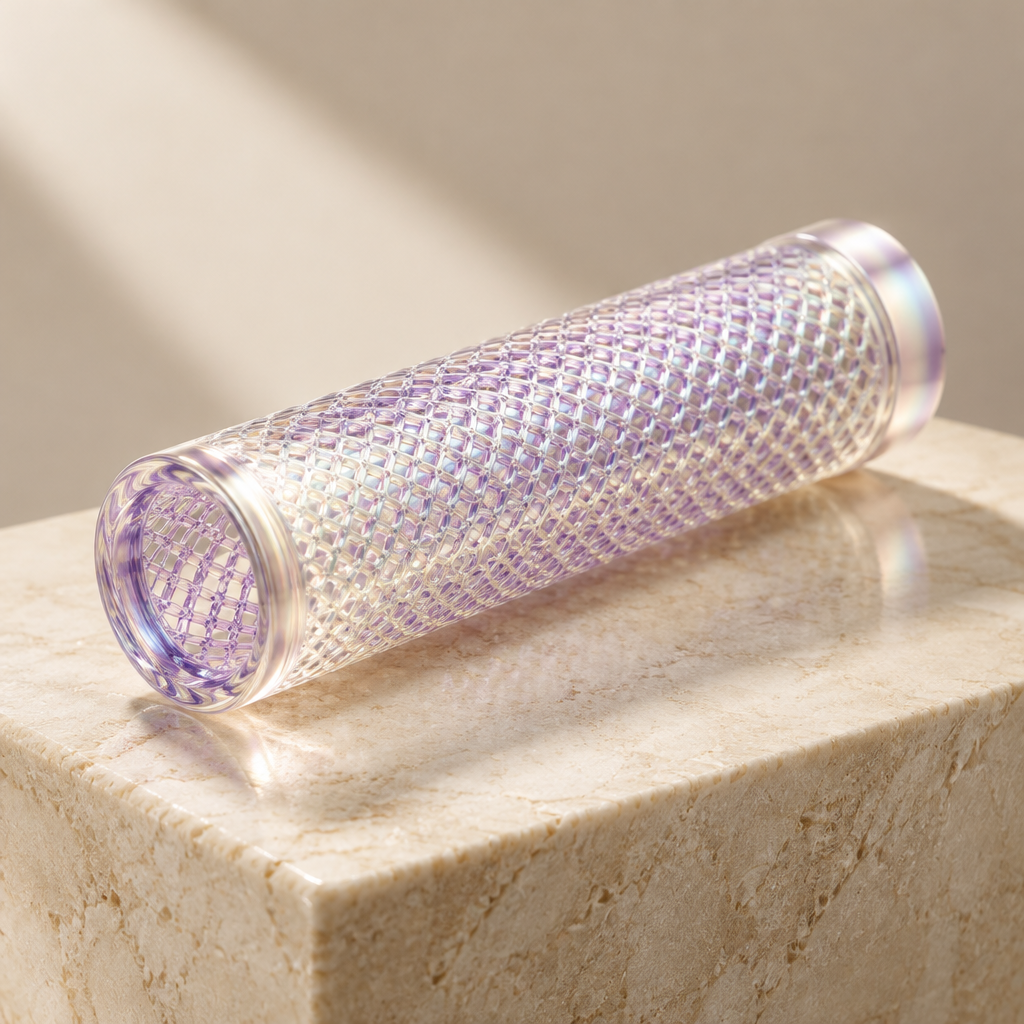
Plant & Animal Cells
A hollow tube of tubulin — a structural track for transport and the scaffold of movement.

Animal Cells (absent in most higher plants)
A precise cylinder of microtubule triplets — the organiser of the cell's internal geometry.