
Free Ribosome
All Cells (80S eukaryotic; 70S prokaryotic)
A floating particle of RNA and protein that reads genetic messages and assembles the cell's proteins.
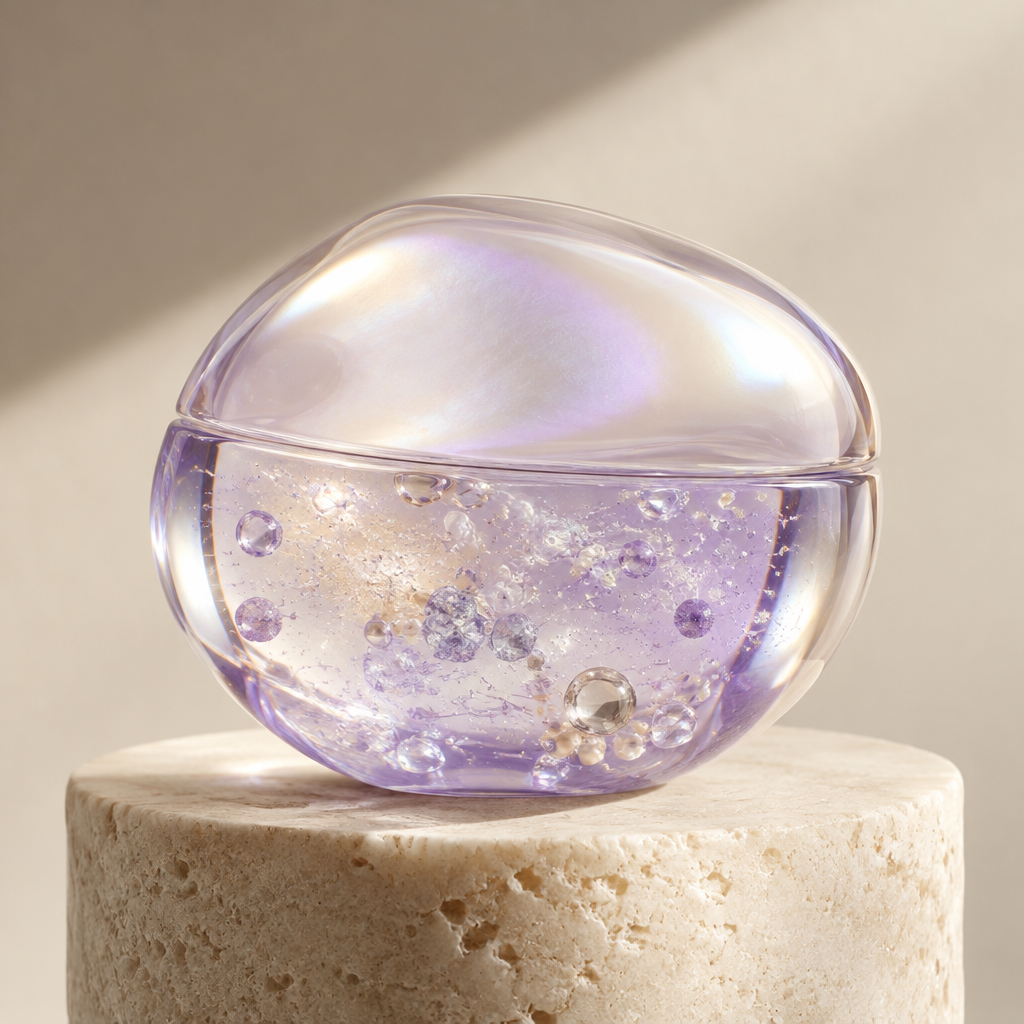
All Cells
The living medium.
The gel-like interior in which every other structure is suspended and most chemistry unfolds.
A note
The campaign imagery is a fictional luxury concept. Toggle to Scientific X-Ray for the labelled biological illustration.
The region inside the plasma membrane but outside the nucleus in eukaryotic cells. Consists of cytosol (the aqueous, gel-like fluid containing dissolved ions and organic molecules), organelles, the cytoskeleton and other cellular structures. Prokaryotes have cytoplasm but no membrane-bound nucleus.
Provides a medium for many metabolic reactions; for example, glycolysis occurs in the cytosol. Enables substances to move within the cell and helps support and organise cellular components.
All living cells, including prokaryotes and plant and animal cells.
Provides the aqueous environment in which enzymes and metabolites interact and numerous essential cellular processes occur.
Its water-based cytosol dissolves ions and molecules so that enzymes and substrates can interact.
All Cells (80S eukaryotic; 70S prokaryotic)
A floating particle of RNA and protein that reads genetic messages and assembles the cell's proteins.
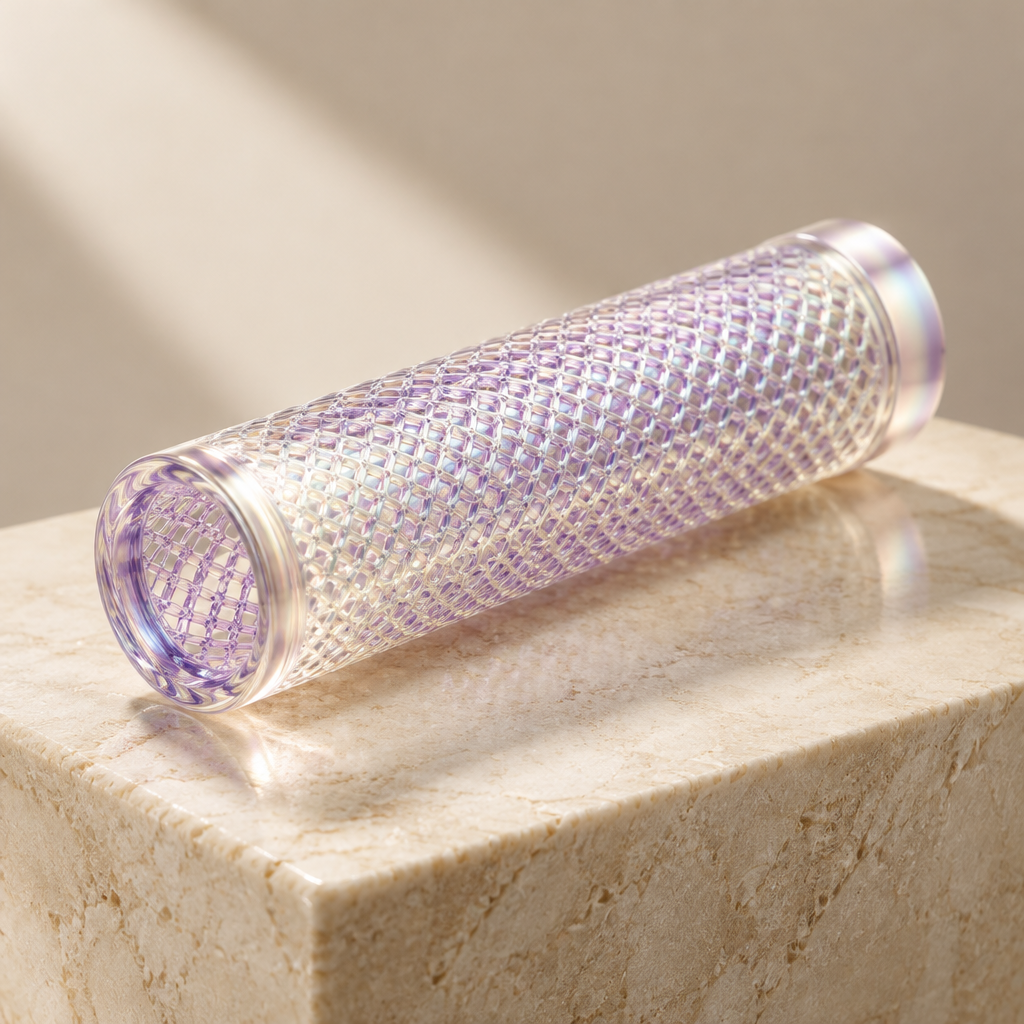
Plant & Animal Cells
A hollow tube of tubulin — a structural track for transport and the scaffold of movement.

Animal Cells (absent in most higher plants)
A precise cylinder of microtubule triplets — the organiser of the cell's internal geometry.