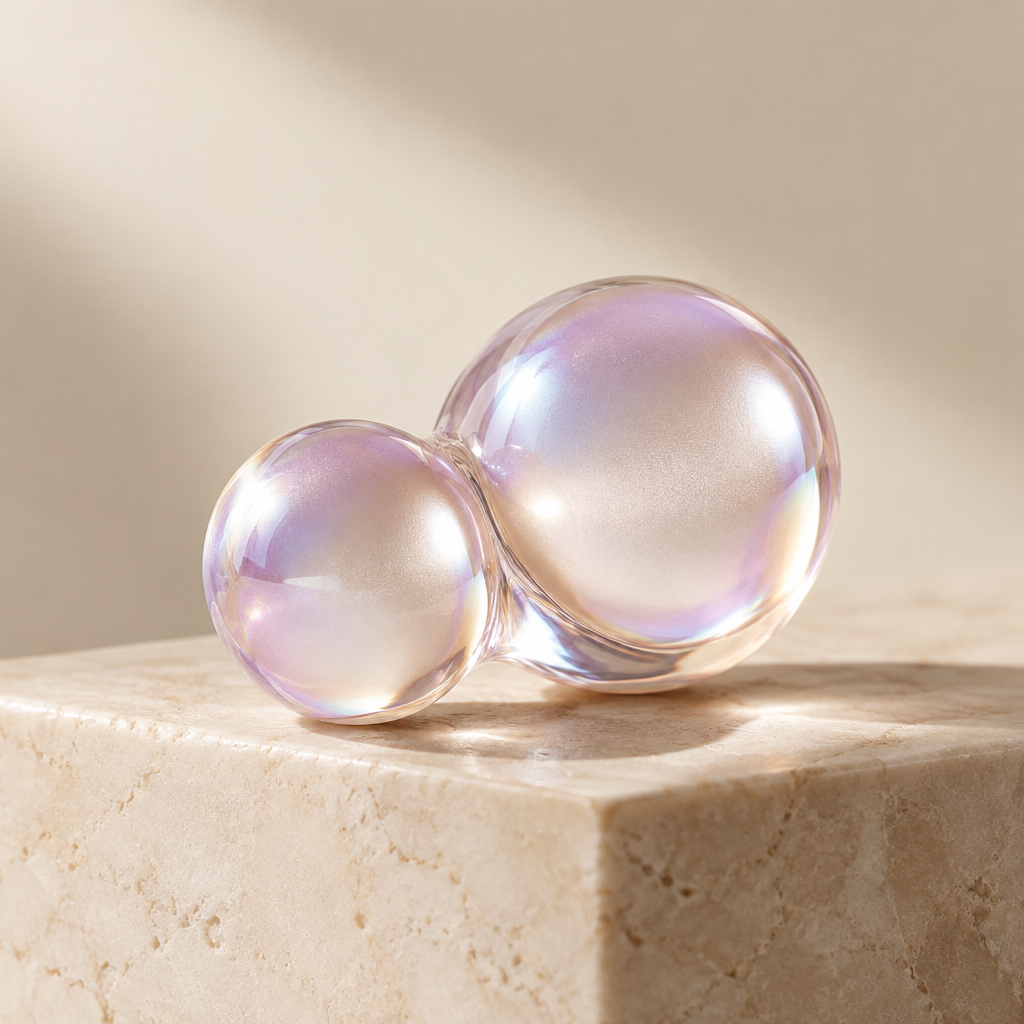
Free Ribosome
All Cells (80S eukaryotic; 70S prokaryotic)
A floating particle of RNA and protein that reads genetic messages and assembles the cell's proteins.

Plant, Bacterial & Fungal Cells (not animal)
Structure, sustained.
A rigid outer layer that braces the cell against pressure and gives tissues their strength.
A note
The campaign imagery is a fictional luxury concept. Toggle to Scientific X-Ray for the labelled biological illustration.
Rigid extracellular layer located outside the plasma membrane. In plant cells, the cell wall consists primarily of cellulose microfibrils embedded within a matrix containing hemicellulose and pectin. Fungal cell walls contain chitin, while bacterial cell walls generally contain peptidoglycan. Cell wall composition therefore differs between organisms.
Maintains cell shape, provides mechanical support and protects cells against physical damage. It also resists the internal turgor pressure generated by osmotic water uptake, preventing excessive expansion and cell rupture.
Plant cells, fungal cells, most bacterial cells, many archaea and some protists. Absent in animal cells.
Cell walls provide structural stability and protection, particularly when water enters cells through osmosis. In plants, the cell wall works together with the central vacuole to maintain turgidity and support the tissues of the organism.
Strong, interconnected structural materials withstand internal pressure while pores allow water and many dissolved substances to pass through.
All Cells (80S eukaryotic; 70S prokaryotic)
A floating particle of RNA and protein that reads genetic messages and assembles the cell's proteins.
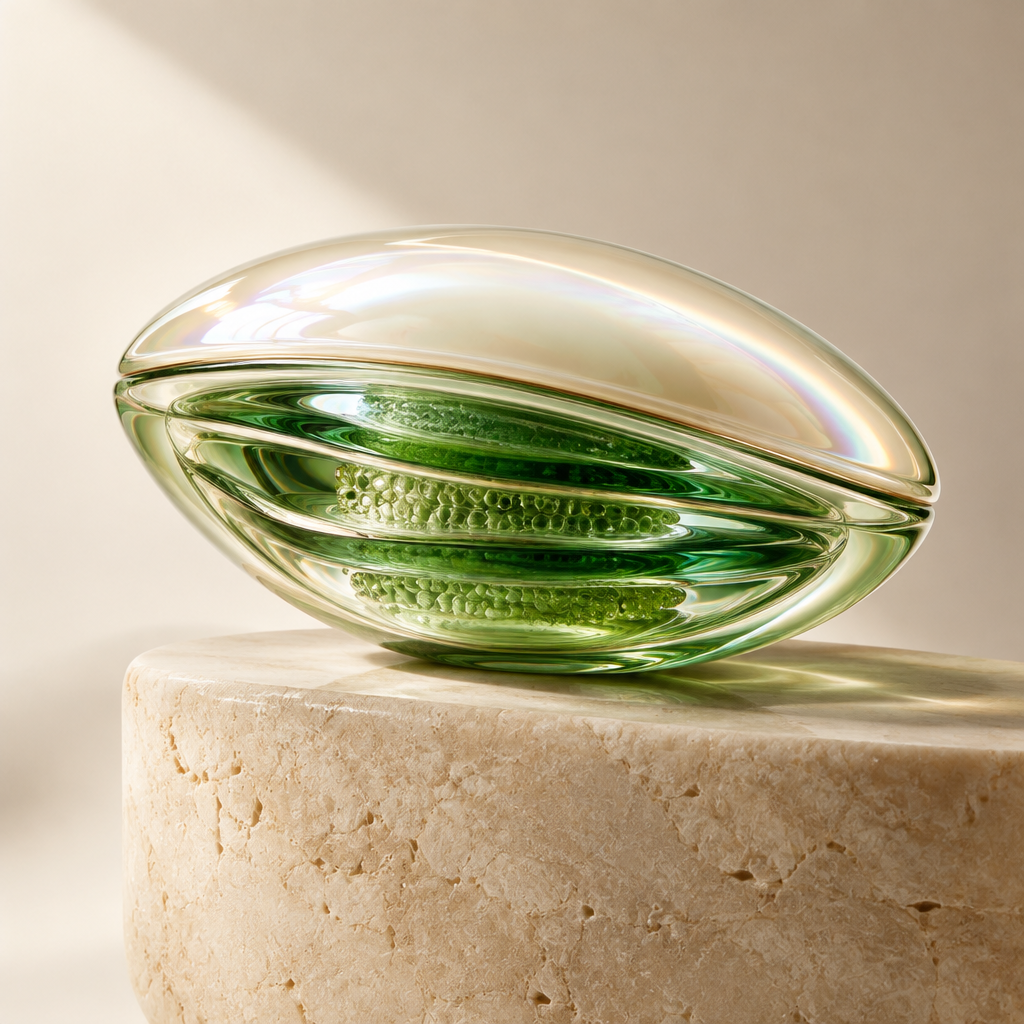
Photosynthetic Plant & Algal Cells
A light-harvesting plastid that converts sunlight into chemical energy stored as sugar.

Plant Cells (large central) & other eukaryotes
A fluid-filled chamber that stores, supports and steadies the cell from within.