
Free Ribosome
All Cells (80S eukaryotic; 70S prokaryotic)
A floating particle of RNA and protein that reads genetic messages and assembles the cell's proteins.
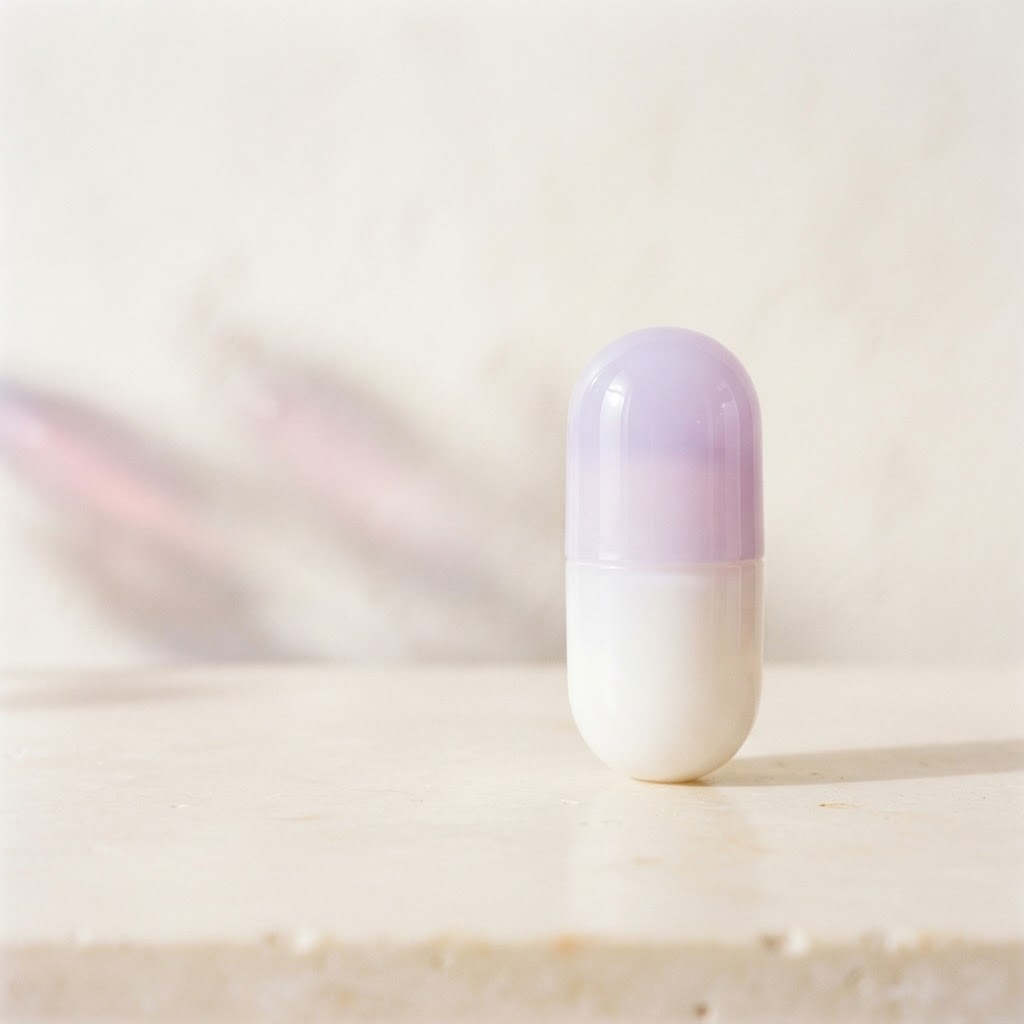
Certain Prokaryotic Cells
The outer shield.
A gelatinous outer armour that shields a prokaryote from the world's worst.
A note
The campaign imagery is a fictional luxury concept. Toggle to Scientific X-Ray for the labelled biological illustration.
Well-organised, gelatinous layer located outside the bacterial cell wall. Capsules are usually composed of polysaccharides, although some bacterial species possess capsules made from polypeptides. The capsule forms part of the glycocalyx and is generally firmly attached to the cell surface.
Protects bacterial cells from desiccation and, in some species, reduces the likelihood of engulfment by phagocytic cells. Capsules may also facilitate attachment to surfaces and contribute to biofilm formation.
Certain bacterial species. Not all prokaryotic cells possess capsules.
Capsules improve bacterial survival by protecting cells against environmental stresses and certain host immune defences. They can also increase the ability of bacteria to adhere to surfaces and establish colonies.
The hydrated coating holds on to water and forms a protective layer around the cell.
All Cells (80S eukaryotic; 70S prokaryotic)
A floating particle of RNA and protein that reads genetic messages and assembles the cell's proteins.
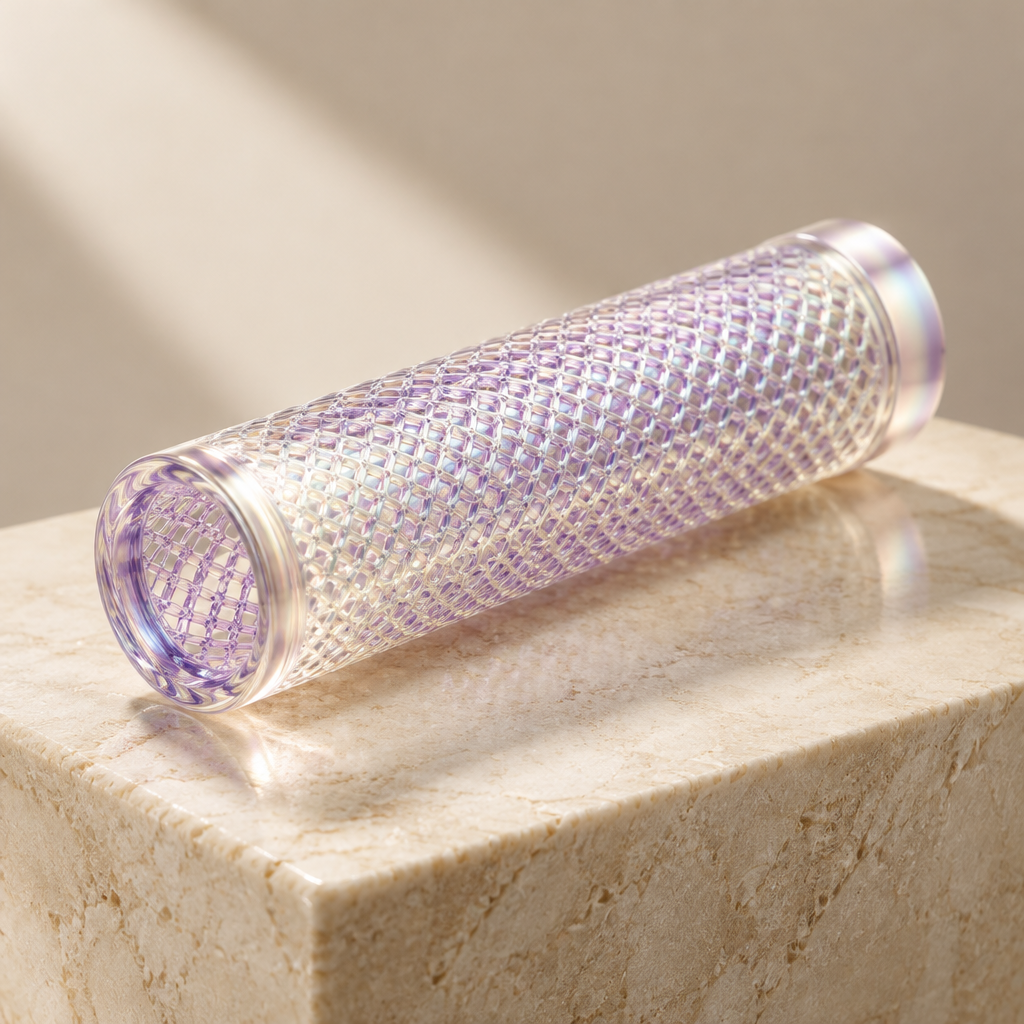
Plant & Animal Cells
A hollow tube of tubulin — a structural track for transport and the scaffold of movement.

Animal Cells (absent in most higher plants)
A precise cylinder of microtubule triplets — the organiser of the cell's internal geometry.